Money basics for students
Six short lessons for high school students on the money decisions that come up first: a paycheque, saving, a credit card, borrowing, renting and scams. Every lesson has something to try and a quick quiz. Finish the quiz to earn a badge.
6 lessons, about 31 minutes in all. Free, no sign-up. Educational information only, not financial advice.
Finish a lesson's quiz to earn its badge. Progress is saved in this browser only.
Earning and saving
Your first paycheque and making money grow.
Lesson 1
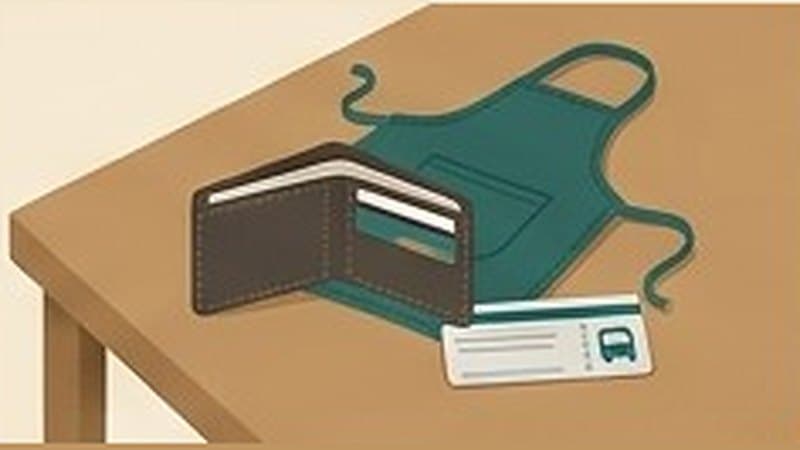
Your first paycheque: gross pay, deductions and take-home pay
Why your pay is less than your hours times your wage, what CPP, EI and income tax are, and why filing a tax return is worth it.
5 min read

Lesson 2
Saving and compound interest: why starting early matters
How interest on interest works, the Rule of 72, and why $50 a month started at 16 can grow to far more than the same started at 26.
5 min read
Credit and borrowing
Your first card, and the costs of borrowing.

Lesson 3
Your first credit card: how it works and how to build credit
The grace period, what paying only the minimum really costs, how to build a good credit history, and the fees to watch for.
5 min read

Lesson 4
Borrowing money: student loans, buy now pay later and payday loans
The main ways to borrow, from OSAP to buy now, pay later to payday loans, and what $500 for two months costs each way.
6 min read
Out on your own
Renting, the road to owning, and keeping your money safe.

Lesson 5
Renting your first place, and the road to owning
How much rent fits a budget, what it costs to move in, your rights under an Ontario lease, and how long it takes to save a down payment.
5 min read

Lesson 6
Spotting money scams: fake jobs, phishing and other tricks
The red flags almost every scam shares, the ones aimed at young people, a spot-the-scam game, and what to do if something seems off.
5 min read
Badges
0 of 6 earned
For teachers
Free to use in class, with no accounts and no sign-up. Nothing students enter is collected: quiz progress stays in their own browser. Written for Ontario students, in Canadian dollars, and useful alongside the financial literacy parts of the Grade 10 Career Studies and high school math courses.
Ready for more?
The adult lessons go further: how mortgages work, buying a first home, and managing debt and credit.
See the adult lessonsGlossary
Short definitions of the terms used in these lessons, from amortization to compound interest, each linked to the lesson that explains it.
Open the glossary